
Neonatal EEG
Specialized Brain Wave Monitoring for Newborns
Overview
Neonatal EEG is a highly specialized test designed to monitor brain activity in newborns and premature infants, helping diagnose neonatal seizures and assess brain health after birth complications.
This testing is critical for newborns exhibiting subtle motor movements or sluggish reflexes in the NICU.
Common Symptoms & Indications
- ✕ Subtle twitching or eye movements in newborns
- ✕ Lack of responsiveness or floppy tone after birth asphyxia
- ✕ Suspected silent or sub-clinical seizures in the NICU
Clinical Procedure & Diagnostics
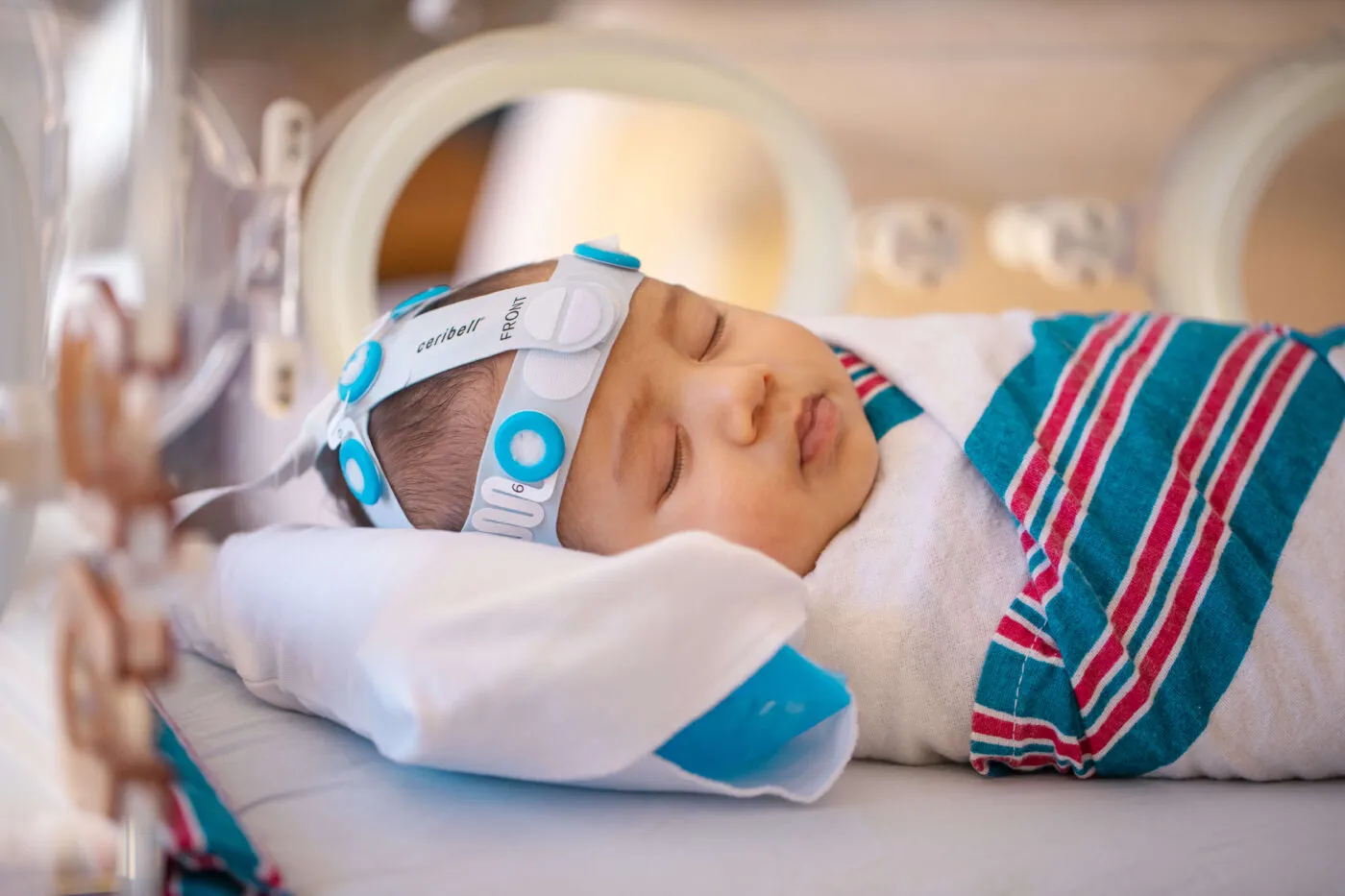
Using a reduced number of specialized, gentle neonatal electrodes placed on the baby's scalp while they sleep in their crib or incubator, capturing brain wave patterns.
Key Recovery Benefits
- ✓ Crucial for detecting silent neonatal seizures
- ✓ High safety standards for fragile newborns
- ✓ Assesses brain maturation
- ✓ Informs treatment for birth asphyxia
Rehabilitation & Recovery Timeline
Electrode Placement
Gentle cleaning and placement of soft sensors on the baby's head.
Sleep Recording
Continuous monitoring during natural sleep cycles in a quiet room.
Expert Interpretation
Analyzing age-specific neonatal brain wave patterns.
Frequently Asked Questions
It is an EEG test tailored specifically for newborns and infants under one month of age to evaluate brain health and detect seizures.
Newborn seizures are often subtle and lack visible shaking. An EEG is the only reliable way to detect these 'silent' electrical seizures.
Yes, we use special ultra-soft sensors and gentle, non-irritating adhesives designed specifically for a newborn's sensitive skin.
The test typically takes about 45 to 60 minutes to capture at least one full sleep-wake cycle of the baby.
Consult Specialist
Schedule a detailed clinical assessment with Dr. Amodini Walia at The Ved Clinic Dehradun.
Request Appointment